Starting a bridal atelier is an exciting journey filled with creativity, craftsmanship, and the dream of helping brides feel extraordinary on one of the most important days of their lives. While design talent and impeccable tailoring are essential, the true foundation of every luxury wedding gown lies in the fabric. Choosing the right luxury fabrics can determine the quality, comfort, appearance, and market positioning of your bridal collection.
For start-up bridal ateliers, selecting fabrics is more than a design decision—it is a strategic investment that directly impacts customer satisfaction, brand reputation, and profitability.
Understanding Your Bridal Brand Identity
Before sourcing fabrics, define the aesthetic direction of your bridal atelier.
Ask yourself:
- Do you specialize in classic and timeless gowns?
- Are you targeting modern minimalist brides?
- Will your designs focus on romantic, bohemian, or couture-inspired styles?
- What is your target price range?
Your fabric selection should align with your brand positioning. A couture-inspired bridal atelier may emphasize hand-beaded lace, silk organza, and embroidered tulle, while a contemporary minimalist brand may focus on crepe, satin, and mikado fabrics.
A clear brand identity helps narrow fabric choices and creates consistency throughout your collections.
The Most Popular Luxury Fabrics for Bridal Wear
Silk Satin
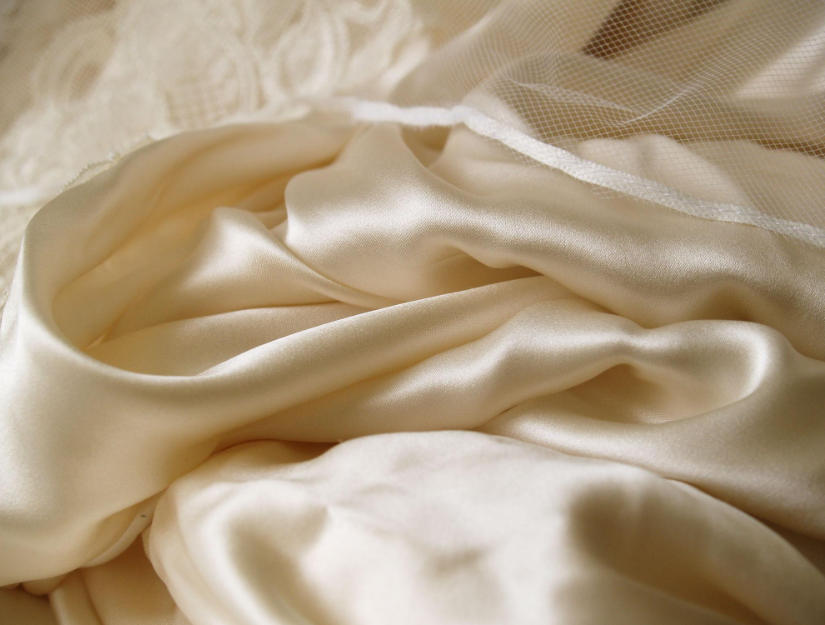
Silk satin remains one of the most luxurious choices in bridal fashion. Its smooth surface and elegant drape create a sophisticated silhouette that photographs beautifully.
Benefits:
- Luxurious sheen
- Excellent drape
- Comfortable against the skin
- Timeless elegance
Best for:
- A-line gowns
- Slip dresses
- Modern bridal designs
- Formal wedding dresses
Mikado Silk
Mikado is a heavier silk blend known for its structured appearance and subtle luster.
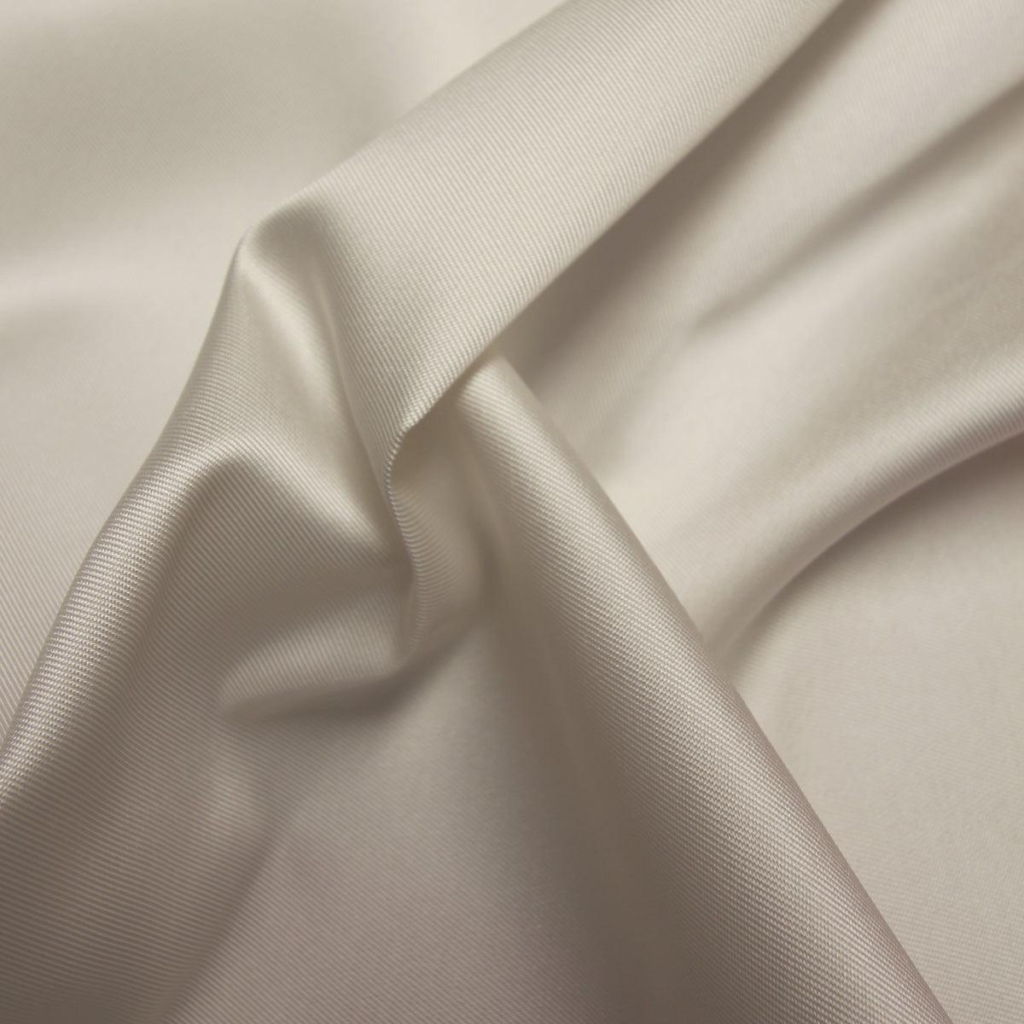
Benefits:
- Excellent shape retention
- Wrinkle resistance
- Architectural silhouettes
- Premium appearance
Best for:
- Ball gowns
- Structured bodices
- Modern couture designs
Silk Organza
Organza offers lightweight volume and ethereal elegance.
Benefits:
- Sheer and lightweight
- Adds dimension without bulk
- Ideal for layering
Best for:
- Overskirts
- Sleeves
- Veils
- Romantic bridal styles
Crepe
Bridal crepe has become increasingly popular among modern brides seeking understated luxury.
Benefits:
- Smooth matte finish
- Comfortable stretch options
- Elegant drape
- Contemporary appearance
Best for:
- Minimalist wedding gowns
- Mermaid silhouettes
- Destination weddings
Tulle
Tulle remains an essential bridal fabric for creating softness and volume.
Benefits:
- Lightweight
- Versatile
- Available in various softness levels
Best for:
- Ball gowns
- Veils
- Layered skirts
- Illusion details
Why Luxury Lace Is Essential for Bridal Collections
Lace is often the defining element of a wedding gown. High-quality lace elevates even the simplest silhouette into a memorable bridal masterpiece.
Embroidered Lace
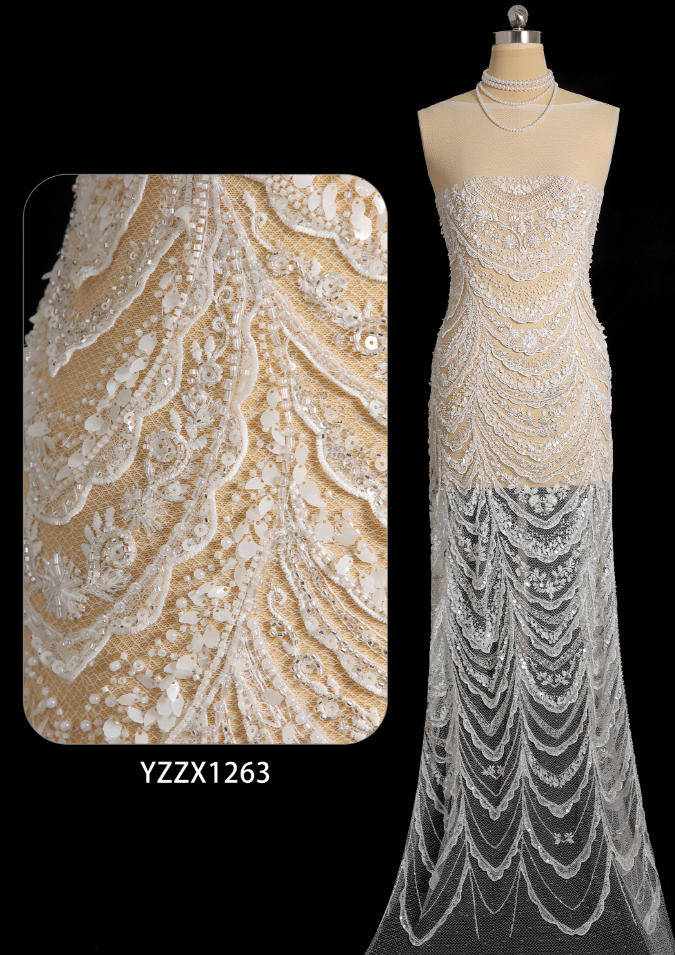
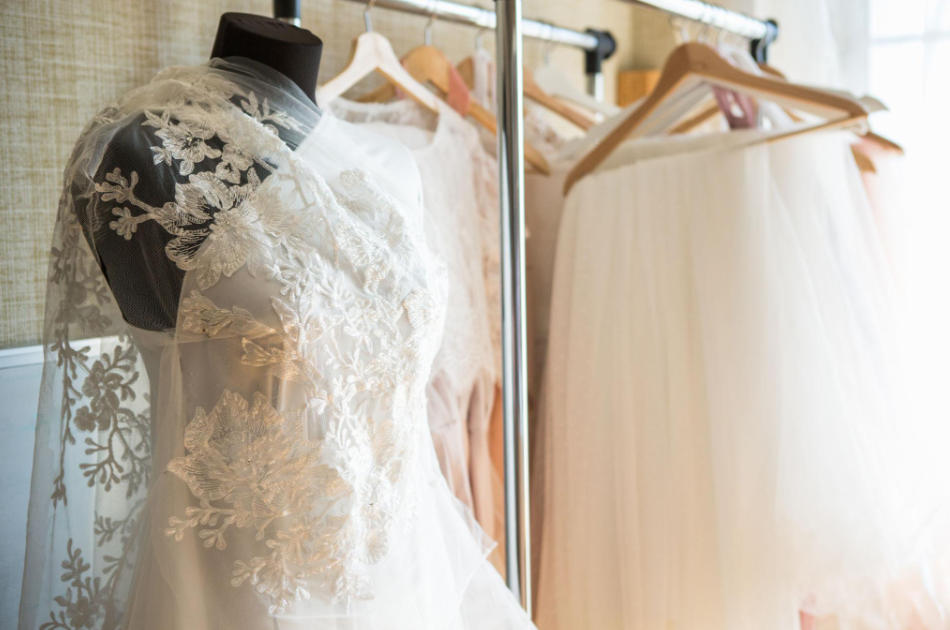
Embroidered lace features intricate floral or geometric motifs stitched onto mesh or tulle foundations.
Advantages:
- Rich visual texture
- Couture appearance
- Highly customizable
Popular applications:
- Bodices
- Sleeves
- Train embellishments
- Cathedral veils
Beaded Lace
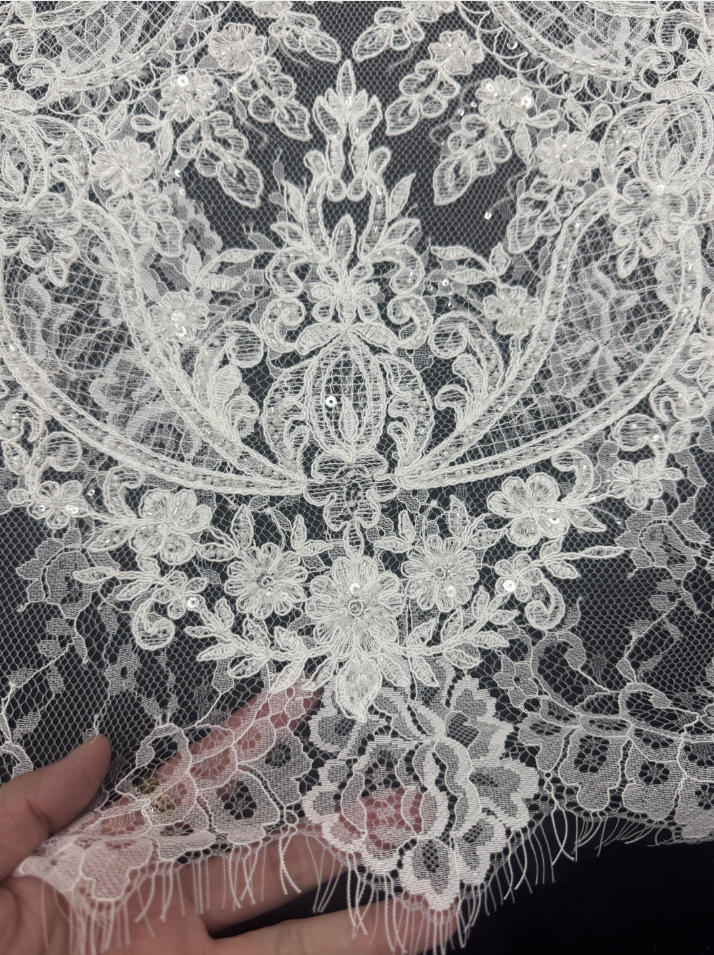
Luxury beaded lace incorporates pearls, sequins, crystals, and hand-sewn embellishments.
Advantages:
- Exceptional sparkle
- High perceived value
- Red-carpet elegance
Perfect for:
- Luxury bridal collections
- Evening bridal gowns
- Couture wedding dresses
Handcrafted Acrylic Lace
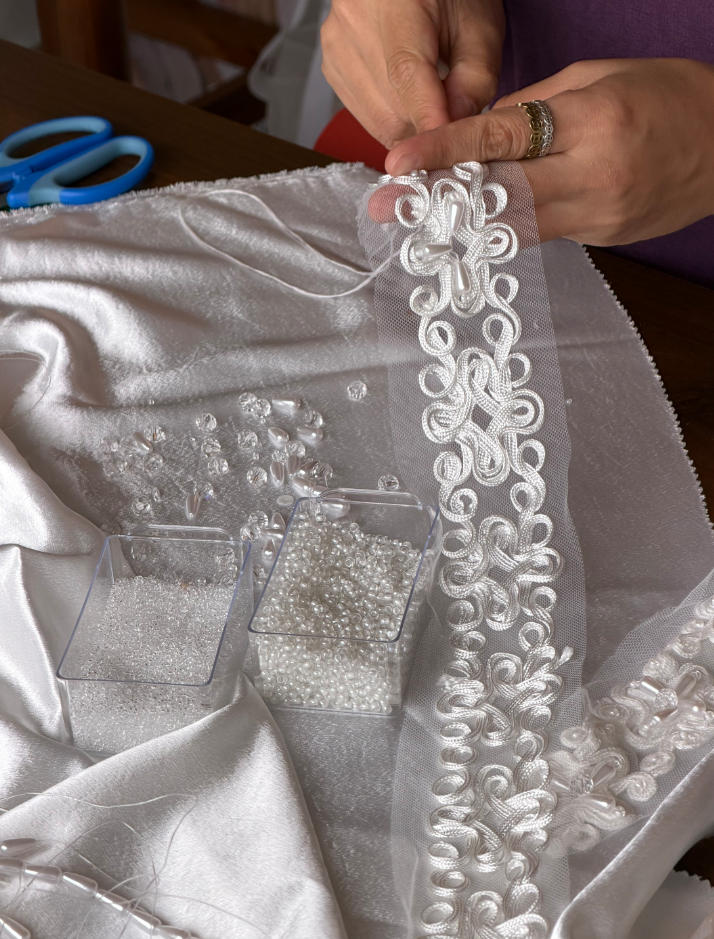
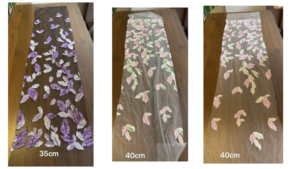
Modern bridal designers are increasingly embracing handcrafted acrylic lace featuring hand-sewn acrylic flowers, beads, and dimensional embellishments.
Benefits include:
- Three-dimensional appearance
- Lightweight compared to traditional heavy beading
- Unique couture aesthetic
- Excellent customization opportunities
For start-up bridal ateliers seeking differentiation, handcrafted acrylic lace offers a distinctive design element that helps create signature collections and attract fashion-forward brides.
Evaluate Fabric Quality Before Purchasing
Luxury fabrics should be assessed beyond appearance.
Check the Hand Feel
Touch the fabric carefully.
Questions to consider:
- Is it soft against the skin?
- Does it feel luxurious?
- Does it maintain structure without stiffness?
Brides wear their gowns for many hours, making comfort an essential consideration.
Examine Drape
The way fabric falls affects the final silhouette.
Conduct a drape test by hanging a fabric sample and observing how it flows naturally.
Assess Durability
Wedding gowns require extensive handling during fittings, transportation, and celebrations.
Evaluate:
- Seam strength
- Embellishment security
- Resistance to snagging
- Long-term appearance
Review Color Consistency
Consistent dye lots are crucial for bridal production, especially when reordering materials for future collections.
Consider Minimum Order Quantities (MOQ)
Many emerging bridal ateliers struggle with high inventory costs.
When sourcing luxury fabrics:
- Seek suppliers offering low MOQs
- Request sample swatches before bulk purchasing
- Test new fabrics in limited collections
- Build relationships with flexible manufacturers
This approach minimizes risk while maintaining creative freedom.
Prioritize Customization Opportunities
Today’s brides increasingly desire personalized gowns.
Partnering with fabric suppliers that offer customization can provide significant competitive advantages.
Customization options may include:
- Exclusive lace patterns
- Custom embroidery designs
- Unique bead placements
- Personalized color tones
- Special motif development
Exclusive fabric designs can become a signature feature of your bridal brand.
Build Strong Relationships with Reliable Suppliers
Your fabric supplier becomes a long-term partner in your atelier’s success.
Look for suppliers who offer:
- Consistent quality control
- Fast communication
- Flexible production capabilities
- Sampling services
- International shipping experience
Reliable sourcing helps avoid production delays and ensures customer satisfaction.
Balance Luxury and Profitability
Many start-up bridal ateliers make the mistake of selecting only the most expensive materials.
Instead, focus on value.
A successful bridal collection often combines:
- Premium focal fabrics
- Strategic embellishments
- High-quality linings
- Cost-effective supporting materials
This balanced approach maintains a luxury appearance while protecting profit margins.
Emerging Bridal Fabric Trends for 2026
Luxury bridal fashion continues to evolve. Current trends include:
- Three-dimensional floral lace
- Handcrafted acrylic embellishments
- Pearl-encrusted lace
- Sustainable luxury fabrics
- Soft shimmer tulles
- Lightweight couture textiles
- Nature-inspired embroidery motifs
Brides increasingly seek gowns that feel unique, romantic, and highly personalized.
Final Thoughts
Choosing the right luxury fabrics is one of the most important decisions for any start-up bridal atelier. The ideal fabric selection combines beauty, comfort, craftsmanship, and commercial viability. By understanding your target bride, investing in premium lace and textiles, evaluating quality carefully, and partnering with trusted suppliers, you can create wedding gowns that stand out in an increasingly competitive bridal market.
At Shirly Lace, we specialize in luxury bridal lace, handcrafted acrylic lace, beaded lace, embroidered lace, and custom embellishment solutions designed to help bridal designers and emerging ateliers bring their creative visions to life. With flexible customization options and exceptional craftsmanship, we support bridal brands in creating unforgettable gowns that brides will cherish forever.